Kyoto's Hidden Tea Pavilions: Wabi-Sabi in Autumn Rain
Published on September 28, 2024 • By Editorial Board • 10 min read
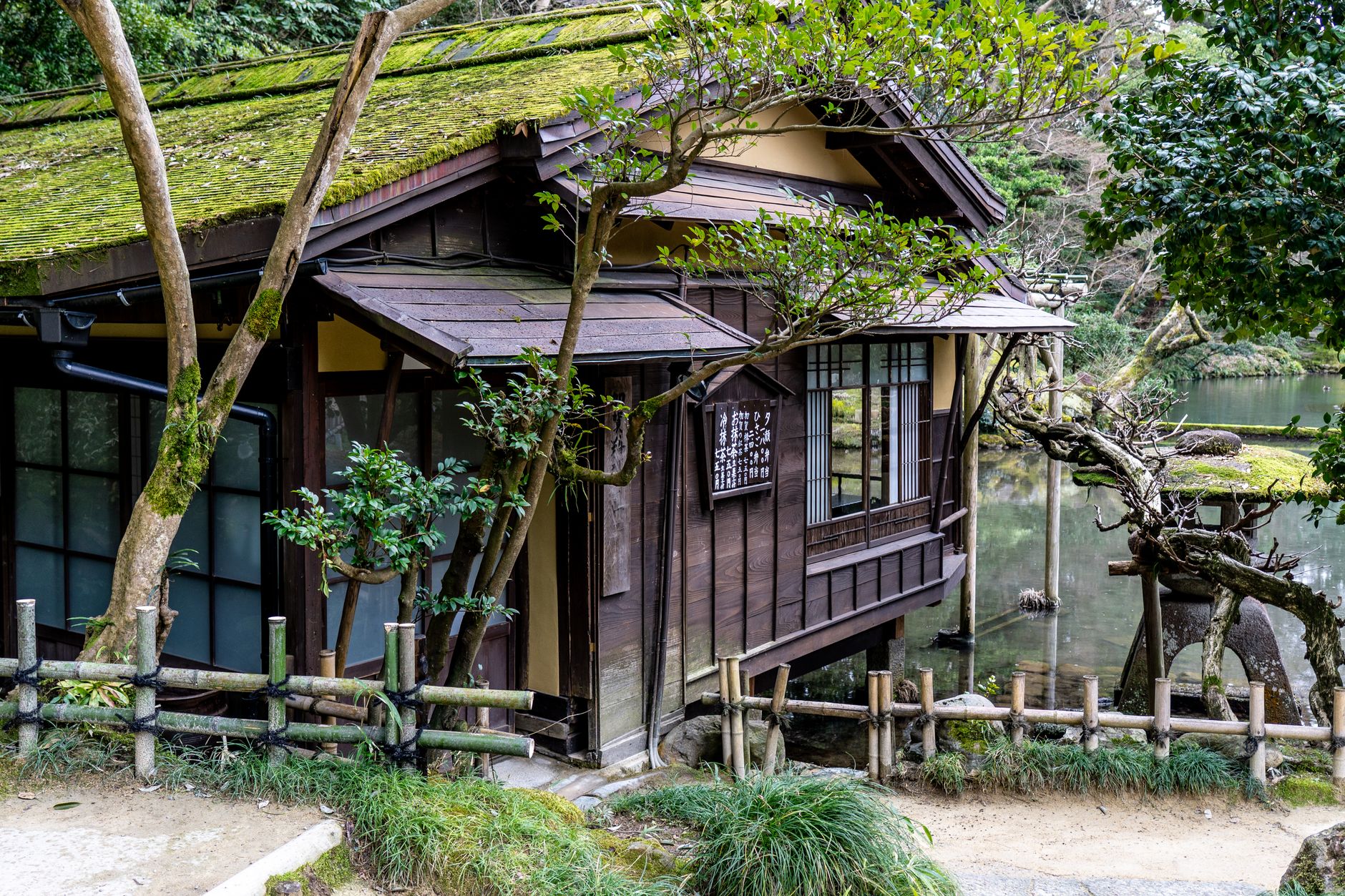
Table of Contents
In the northeastern hills of Kyoto, near the slopes of Mount Hiei, rain does not disrupt the day; it completes it. The sound of water droplets falling from cedar leaves onto emerald moss carpets creates a rhythmic background against which time slows almost to a standstill.
1. The Geography of Retreat
While the central shrines of Kyoto attract thousands of daily admirers, the true heart of Japanese contemplative architecture resides in the private sub-temples nestled along the perimeter. Here, behind low earthen plaster walls and bamboo fences, tea masters have guarded the concept of ichigo ichie—the awareness that each human meeting is unique and unrepeatable.
2. The Proportions of the Chashitsu
Entering a traditional tea pavilion requires bending low through the nijiriguchi, a deliberately miniature doorway measuring barely three feet high. Regardless of your social status, wealth, or title, all participants must discard pretension and enter with equal modesty.
Every element in the pavilion is intentional: unplaned timber posts showing natural knotting, paper shoji diffusing the damp northern light, and a single seasonal flower resting in an unglazed ceramic vase.
3. Mindfulness in Hospitality
As the host whisked green matcha powder with graceful, measured hand motions, our dialogue was brief. We spoke of the autumn rains, the ripening of persimmons in the valleys, and the preservation of historic woodwork. This journey reminded us that the deepest luxury is stillness.
Curate Your Japanese Pilgrimage
Allow our specialists to coordinate introductions to independent masters of tea, ceramic artists, and private historic gardens.
Contact Our Desk